

Alternatives to Vidgo API
Vidgo API gives developers one endpoint platform for image, video, and music models, with unified access and usage-based credits.
20 alternatives found

FoxyLab
FoxyLab turns product briefs or websites into editable marketing videos and banner sets through chat.
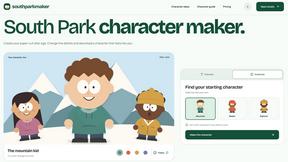
southparkmaker
Build a South Park-inspired avatar with editable character presets, live preview, and PNG or SVG export.

AI Rap Video
Make a shareable rap video from a photo, with a choice of themed scenes and an original vocal track.

GetYouTubeTranscript
Convert YouTube captions into text for repurposing, with copy and subtitle downloads plus AI tools for developing content ideas.
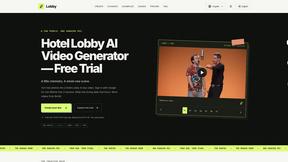
LobbyClip
Create two-person AI performance videos from separate photos, with ready-made scenes and adjustable duration, aspect ratio, and resolution.
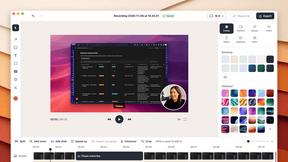
ScreenOtter
ScreenOtter helps Mac teams make polished software tutorials with editable captions, transcript-based cuts, screen annotations and shareable exports.

Tip Toeing in My Jordans AI
Make a 12-second Rumpelstiltskin tiptoe meme video from one or two photos, choosing vertical or widescreen format and 720p or 1080p output.
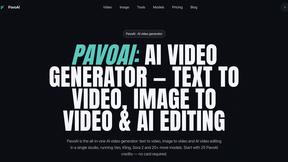
Pavo AI
Generate short videos and images from text with four model choices, output controls, and one credit balance.

Easemic
Easemic is a private Android manga shelf with catalog search, OPDS support and streaming from personal cloud storage.
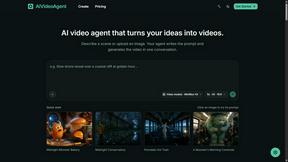
AIVideoAgent
AIVideoAgent helps creators generate videos from text or images, writing the prompt and offering multiple models in one conversation.
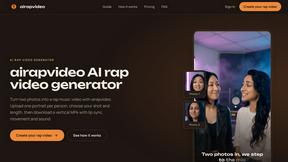
airapvideo
airapvideo turns two portraits into a 10-second vertical rap video, with an automatically composed scene, generated vocals and a downloadable MP4.
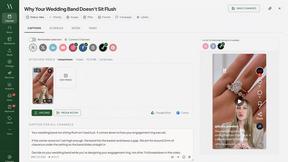
Maeve Social
Maeve Social brings AI-assisted content planning, publishing, client review and analytics into one workspace for creators and social teams.

Ecommerce Data API
Ecommerce Data API organizes marketplace product, keyword and market data into REST endpoints for ecommerce developers and sellers.

Bulin 47 AI
Turn a single photo into a vertical Bulin 47 freestyle video, keeping the original scene, moves and audio.

HyperGSC
HyperGSC connects Google Search Console to supported AI clients through a hosted MCP server for analyzing search performance, rankings, and indexing.

TryH3
TryH3 combines viral video templates with text, image, and reference-based generation across multiple AI video models.
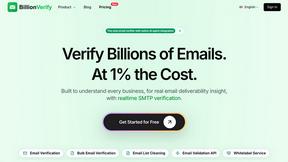
BillionVerify
BillionVerify combines SMTP email verification with bulk cleaning and API checks, while separating catch-all, role, disposable, and unknown results.

SilentCut
SilentCut cuts silences, filler words, and retakes in talking videos, with browser access and plugins for popular desktop editors.

Genjutsu AI
Genjutsu AI helps marketers and creators put a person from one photo into short video effects or existing clips for social content.

About Vidgo API Alternatives
Teams can integrate individual model providers directly when they need provider-specific control, or use a multi-model API platform when a shared endpoint and account are more useful. Compare model coverage, supported workflows, billing units, and how each service handles task status.
FAQs about Vidgo API Alternatives
When might a direct provider API be a better fit?
When the application depends on a particular provider’s model behavior or provider-specific controls, compare its direct API with the corresponding Vidgo workflow.
What should I compare across API platforms?
Check model coverage, accepted inputs, output settings, per-operation billing units, and how generation tasks are submitted and tracked.