About Mod
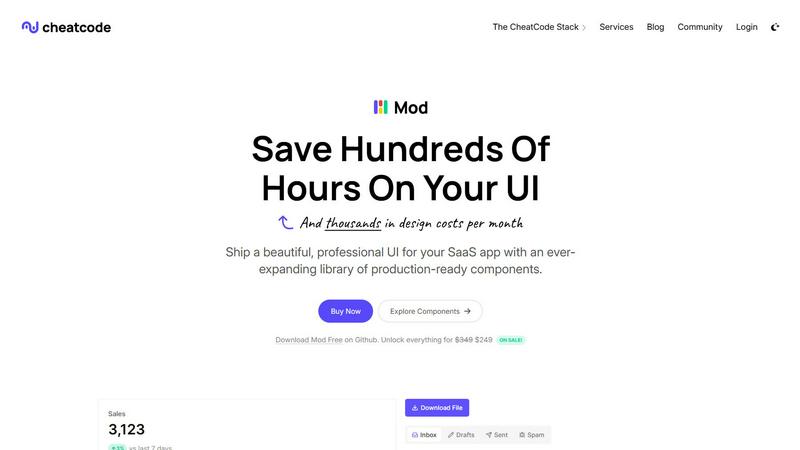
Mod is the essential CSS framework and component library for developers who need to build polished, professional SaaS user interfaces at speed. It eliminates the most time-consuming and costly aspects of front-end development: design decisions, CSS architecture, and UI consistency. By providing a comprehensive, production-ready system of styles and components, Mod allows solo developers and entire teams to skip the tedious groundwork and focus immediately on building their application's unique logic and features. Its core value proposition is drastic time-to-market reduction and significant design cost savings. With over 88 meticulously crafted components, 168 utility styles, and full support for dark mode and responsive design, Mod delivers a complete visual system out of the box. Crucially, it is framework-agnostic, seamlessly integrating with popular stacks like Next.js, Nuxt, Vite, Svelte, Rails, and Django. This makes Mod a non-negotiable tool for any project aiming for a modern, cohesive SaaS look without the overhead of a dedicated design team or months of front-end development.
Features of Mod
88+ Production-Ready Components
Mod provides an extensive library of over 88 essential UI components, each built for real-world SaaS applications. This includes everything from complex data tables, forms, and modals to navigation bars, cards, and buttons. Every component is designed with accessibility, responsiveness, and interactivity in mind, ensuring they work perfectly from prototype to production. This vast selection means you rarely need to build a common interface element from scratch, saving countless hours of development and testing time.
Framework-Agnostic Integration
A critical feature of Mod is its complete independence from any specific JavaScript framework. It works seamlessly with React (via Next.js), Vue (via Nuxt), Svelte, and even backend-focused frameworks like Rails and Django. This is achieved through clean, semantic CSS classes and well-structured, framework-agnostic markup patterns. This flexibility makes Mod a future-proof investment, allowing teams to adopt it immediately regardless of their tech stack and carry it forward through any potential stack migrations.
Mobile-First Responsive Design & Dark Mode
Every component and style in Mod is built with a strict mobile-first, responsive approach. Your UI will automatically adapt and look flawless on devices of all sizes, from smartphones to desktops, without requiring custom breakpoint wrangling. Furthermore, Mod includes full, automatic support for dark mode. The system provides two complete themes (light and dark) that are easy to toggle, ensuring your application meets modern user expectations for accessibility and aesthetic preference with zero extra effort.
Comprehensive Icon Library & Design System
Beyond components, Mod includes a massive library of over 1,500 consistent, sharp icons that align perfectly with the overall design aesthetic. This is coupled with 168 utility styles that control spacing, typography, color, and layout, forming a complete, constrained design system. This system enforces visual consistency across your entire application, preventing style drift and ensuring every page and feature feels like part of a single, professional product.
Use Cases of Mod
Rapid SaaS Prototyping and MVP Development
For startups and solo founders, speed is everything. Mod is the perfect tool for rapidly prototyping a SaaS idea and building a Minimum Viable Product (MVP). Instead of spending weeks designing and coding a basic UI, developers can use Mod's components to assemble a fully functional, investor-ready interface in days. This allows teams to validate their core business logic and user flows with real users faster than ever before.
Standardizing UI Across Development Teams
In growing engineering teams, inconsistent UI is a major productivity killer. Mod solves this by providing a single source of truth for all visual elements. By adopting Mod, teams ensure that every developer is building with the same components, styles, and patterns. This eliminates design debates, reduces code review time for UI issues, and guarantees that new features seamlessly match the existing application's look and feel.
Modernizing Legacy Application Interfaces
Many established applications suffer from outdated, inconsistent, or non-responsive interfaces. A full redesign is often prohibitively expensive. Mod allows developers to incrementally modernize these UIs by replacing old components with Mod's modern equivalents. Its framework-agnostic nature means it can be integrated into older codebases (like those using jQuery or vanilla JS) to deliver a fresh, responsive, and professional SaaS look without a full rewrite.
Reducing Reliance on Dedicated Design Resources
Not every company can afford a full-time UI/UX designer. Mod empowers development teams to build excellent interfaces independently. It provides the guardrails and high-quality building blocks that engineers need to make good design decisions autonomously. This dramatically reduces the need for constant design input and handoff, lowering project costs and streamlining the development process while maintaining a high standard of visual quality.
Frequently Asked Questions
What makes Mod different from other CSS frameworks like Tailwind or Bootstrap?
While frameworks like Tailwind provide low-level utility classes and Bootstrap offers generic components, Mod is specifically engineered for SaaS products. It provides high-level, complex components (like dashboards, settings panels, and data grids) with a cohesive aesthetic designed for business software. It’s more opinionated and complete out-of-the-box than Tailwind, and more modern and specialized than Bootstrap, offering a direct path to a professional SaaS UI without assembly required.
Is Mod compatible with my current React/Vue/Svelte project?
Absolutely. Mod is fundamentally CSS and HTML-based, making it completely agnostic to your JavaScript framework. You can use its CSS classes and copy its component HTML structures directly into your React components, Vue templates, or Svelte files. It does not require installing a specific React or Vue library, which avoids vendor lock-in and ensures compatibility with your existing build process and tooling.
How does the theming and dark mode support work?
Mod includes two fully realized themes: a light theme and a dark theme. Theming is controlled through CSS custom properties (variables). Applying the dark theme is as simple as adding a .mod-dark class to a parent element (like the <body> tag). All components, colors, and icons will automatically switch to their dark variant. This system is easy to implement and allows for user-controlled theme toggling with minimal JavaScript.
What is included in the yearly updates?
Your license includes access to all updates and new components released for one year. The CheatCode team continuously expands and refines Mod based on modern SaaS trends and user feedback. Yearly updates ensure your toolkit never becomes stale, giving you access to new components, design improvements, and compatibility updates for emerging web standards or frameworks, protecting your investment and keeping your applications looking current.
Similar to Mod

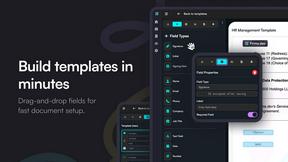
Firma.dev
Pay-as-you-go e-signature API and no-code sending. €0.049 per envelope, no monthly minimums, legally valid in 55+ countries.

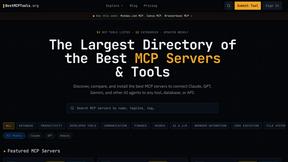

AIQualityHQ
AIQualityHQ is an essential free tool that instantly scores and optimizes your prompts across six dimensions to prevent costly errors before they.